Summer Bin Smells: Why Heat Makes Garbage Stink (And Natural Solutions That Work)

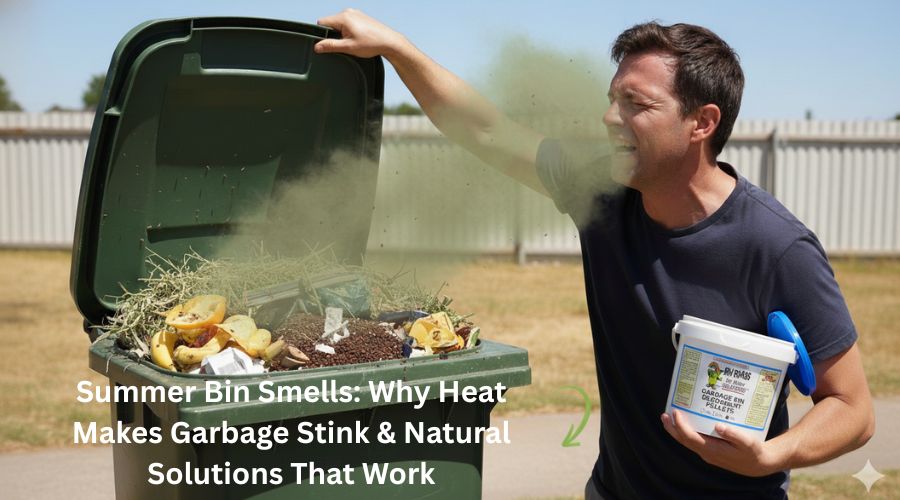
Summer Bin Smells. You know that moment. It’s a scorching summer day, you lift the bin lid, and boom. The stench hits you like a physical force.
Summer bin smells are one of the most frustrating problems Aussie households face. What might take a week to develop in winter can happen in hours during a heatwave.
Let’s break down exactly why heat makes your bins reek and what you can actually do about it without drowning everything in bleach.
Why Summer Heat Creates the Perfect Stink Storm
Bacteria Multiply Like Crazy
When temperatures soar, bacteria in your bin basically throw a party.
In cooler weather, bacterial growth happens slowly. Your bin might stay relatively fresh for days. But in summer heat? Those same bacteria multiply at warp speed.
What happens in the bin:
- Food scraps that would take days to break down now decompose in hours
- Bacterial colonies explode in warm, moist conditions
- Every piece of organic waste becomes a breeding ground
- The hotter it gets, the faster the breakdown happens
Think of your wheelie bin in summer as a giant bacteria incubator. And bacteria breaking down food creates the gases that make your bin smell absolutely rank.
Heat Speeds Up Chemical Reactions
Science lesson time (don’t worry, it’s quick).
Heat doesn’t just help bacteria multiply. It actually speeds up the chemical reactions that cause decomposition.
Your fruit peels, meat scraps, coffee grounds, and leftover food all break down faster in hot weather. As they decompose, they release gases like ammonia and sulphur compounds.
These are the chemicals responsible for that eye-watering, nose-burning stench.
In winter, your bin might sit for days before things start to smell. In summer, particularly during heatwaves, the rotting process accelerates so fast you can literally smell it getting worse by the hour.
Volatile Compounds Go Airborne
Here’s the really gross bit.
As waste rots, it releases something called volatile organic compounds (VOCs). These include chemicals with charming names like putrescine and cadaverine. Yes, they’re as foul as they sound.
Heat gives these compounds enough energy to escape from the solid waste and become airborne gases. That’s why you can smell your neighbour’s bin from three houses away on a hot day.
The hotter the weather, the more these stinky molecules vaporise and float around. Your closed bin lid traps them inside, creating a concentrated pocket of pure stench. When you open that lid? All those trapped odours escape at once.
Humidity Makes Everything Worse
If you live in humid areas (looking at you, Queensland), you’ve got a double whammy.
Moisture encourages even more bacterial growth. Wet waste releases odours more readily than dry rubbish. And humid air actually holds smells closer to the source instead of letting them dissipate.
Plus, moisture collects at the bottom of bins, creating a disgusting slimy layer where bacteria thrive unchecked. Even after you empty the bin, that damp residue stays behind, ready to start the whole cycle again.
Pests Love Summer Bins
Hot weather brings out the worst summer bin smells and unwanted houseguests.
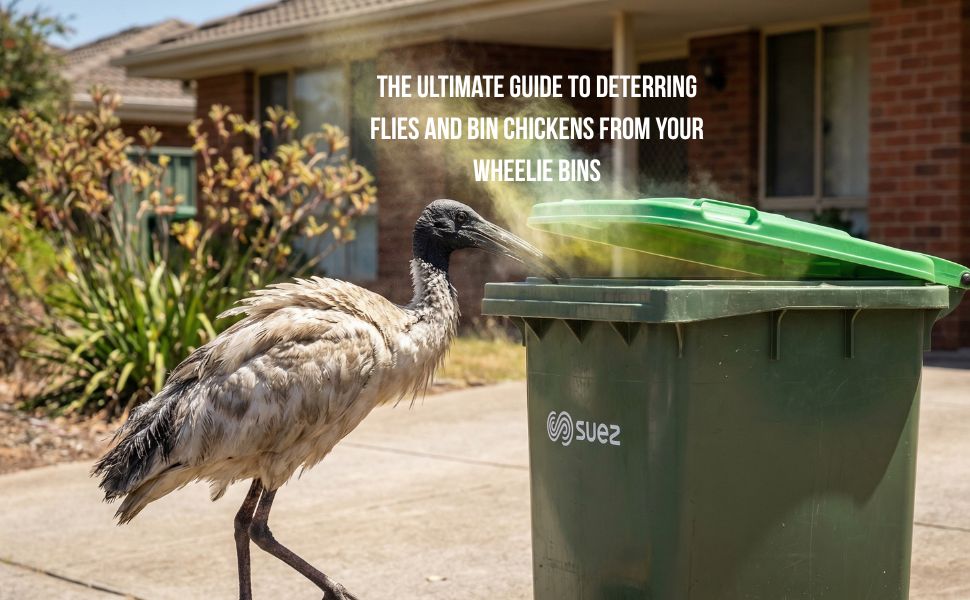
Flies are attracted to the smell of rotting food. They lay eggs in your bin. Those eggs become maggots within hours in hot weather.
Summer bin problems often include:
- Flies swarming around your bin
- Maggots appearing seemingly overnight
- Ants marching in formation to your wheelie bin
- Even possums and rats investigating the smell
These pests don’t just smell bad themselves. They actually make the odour problem worse by spreading bacteria and breaking open garbage bags.
What Your Ideal Customer Is Really Searching For
Based on what people are frantically googling during summer, here’s what you actually want to know:
- Why does my bin smell so bad in summer (even when I just emptied it)?
- How do I stop my bin from smelling in hot weather?
- What kills bin odours naturally without harsh chemicals?
- How do I keep flies and maggots out of my wheelie bin?
- Why does heat make garbage smell worse?
- Natural bin deodorisers that actually work
The good news? There are real solutions that don’t involve holding your breath or wearing a gas mask every time you take out the rubbish.
Natural Solutions That Actually Work
Prevention Is Your First Defence
Drain All Liquids
Never pour liquids directly into your bin. Liquid waste accelerates decomposition and creates that slimy bin bottom that smells horrific.
Drain bottles and containers completely. Use paper towels or newspaper to soak up any remaining liquid before disposal.
Double Bag Smelly Items
Certain things are guaranteed to stink in summer heat:
- Fish and seafood scraps
- Meat trimmings and bones
- Nappies (the worst offenders)
- Pet waste
- Dairy products
Put these items in their own sealed bag before adding them to your main bin bag. This creates a barrier that slows down odour spread.
Freeze the Worst Offenders
This sounds weird but it’s genius.
Keep a container in your freezer for the really smelly stuff. Prawn shells, fish bones, meat scraps. Pop them in the freezer until bin day, then add them to your bin at the last minute.
No time for smells to develop. No attracting flies. Problem solved.
Keep Bins in the Shade
If possible, store your bins away from direct sunlight. The sun heats up the bin like an oven, accelerating all those chemical reactions we talked about.
A shaded spot on the side of your house or in the garage can make a huge difference. Even a few degrees cooler inside the bin means slower decomposition.
Quick Natural Fixes
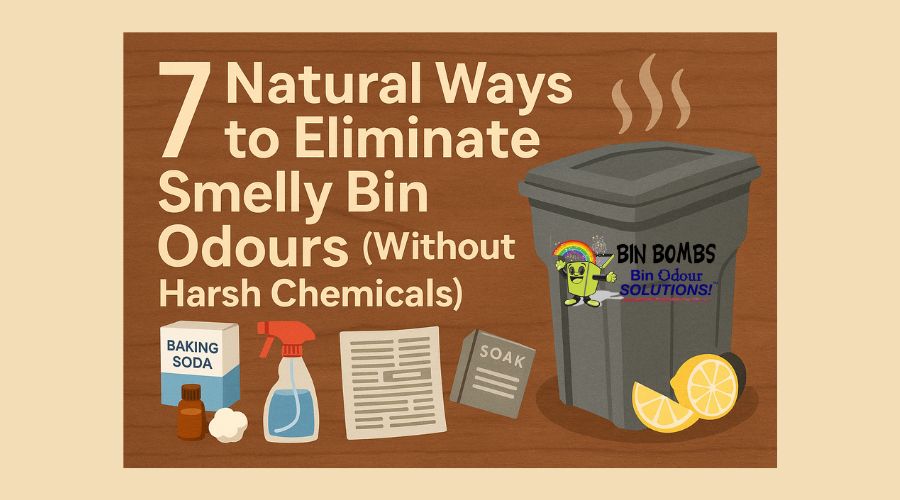
Baking Soda (Bicarb Soda)
The classic solution for a reason.
Sprinkle a handful of baking soda in the bottom of your bin after each collection. It absorbs moisture and neutralises acidic smells.
Replace it every couple of weeks for best results. In summer, you might need to add extra between collections.
White Vinegar Rinse
After you empty your bin, give it a quick rinse with diluted white vinegar (mix 1:1 with water).
Vinegar kills bacteria and neutralises odours without leaving harmful residues. Let the bin dry completely in the sun before putting a new bag in.
The UV light from the sun also helps kill remaining bacteria.
Newspaper Layer
Put a thick layer of newspaper at the bottom of your bin before adding the bin bag.
Newspaper absorbs moisture and liquids that leak through bags. It also provides a barrier between your waste and the bin itself.
Replace the newspaper layer each time you empty your bin.
Coffee Grounds
Used coffee grounds are surprisingly good at absorbing odours.
Dry them out completely first (otherwise they’ll go mouldy). Then sprinkle them in the bottom of your bin or place them in a small open container inside your wheelie bin.
They’ll absorb smells and add a much more pleasant aroma than rotting garbage.
What About Stronger Solutions?
Let’s be honest. Sometimes the DIY solutions just aren’t enough.
When you’re dealing with the full force of an Aussie summer, particularly during heatwaves, basic tricks like baking soda can struggle to keep up. You’re constantly replacing them, constantly cleaning, and still dealing with stench.
This is where a professional-grade natural solution makes sense.
Bin Bombs are specifically designed to handle the extreme conditions Australian bins face in summer.
Why they work when other things don’t:
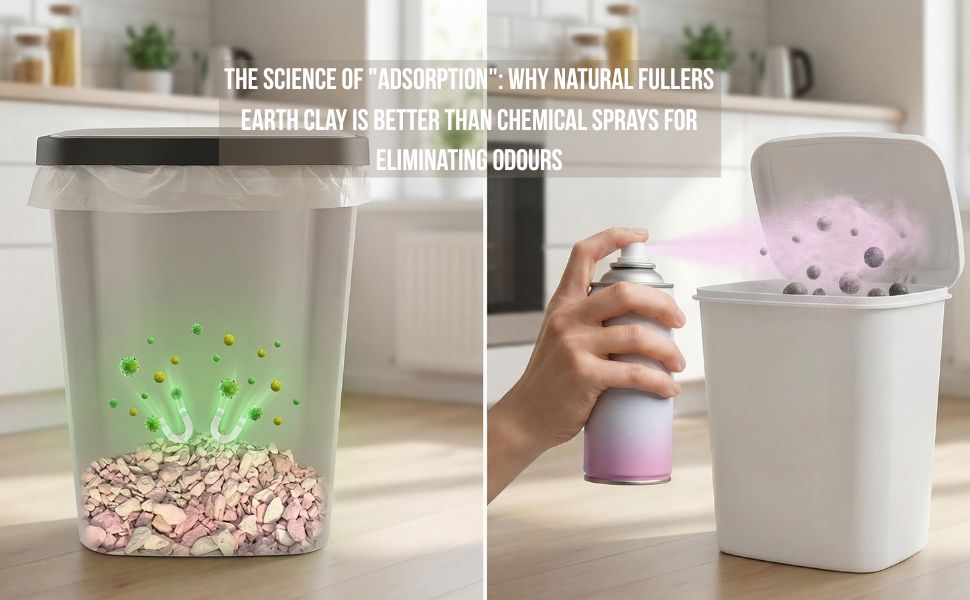
- Fuller’s clay pellets absorb moisture that causes bacterial growth
- Natural aromatic oils provide long-lasting freshness (up to 30 days)
- They’re designed to handle heat without breaking down
- 100% natural and biodegradable
- Safe around kids and pets
- No harsh chemical smells
How to use them:
Simply sprinkle the pellets in the bottom of your bin after collection day. The clay absorbs moisture and the natural oils release a pleasant scent that neutralises garbage odours.
One application typically lasts until your next bin collection. In extreme summer heat, you might need to add a bit extra halfway through the week.
They’re particularly good for:
- Wheelie bins that sit outside in the sun
- Bins that get seafood and meat waste
- Households with nappies
- Anyone who’s sick of their bin smelling foul
The Cleaning Routine That Works
After Every Collection:
- Rinse bin with hose if needed
- Spray with vinegar solution
- Let dry completely in sun
- Add fresh newspaper or baking soda layer
- Add Bin Bombs pellets for long-lasting protection
During the Week:
- Keep bin lid closed tight
- Don’t overfill bins
- Take rubbish out more frequently in extreme heat
- Freeze the worst-smelling items
Monthly Deep Clean:
- Wash bin with hot soapy water
- Scrub with long-handled brush
- Rinse with vinegar solution
- Dry completely in sun
- Check for cracks or damage where bacteria hide
Special Summer Situations
Heatwave Survival
When temperatures hit 40+ degrees, standard rules don’t apply.
- Empty kitchen bins daily
- Consider storing full bags in freezer until bin day
- Add extra natural deodorisers
- Keep flies away with tight-fitting lids
- Hose bins down more frequently
Holiday Periods
Christmas and summer holidays create extra garbage and longer times between collections.
- Compact rubbish carefully (but don’t overfill bags)
- Use larger quantities of natural odour control
- Consider arranging an extra collection if available
- Warn house-sitters about bin maintenance
BBQ Season Waste
Summer entertaining creates different garbage challenges.
- Scrape plates into a separate bag before binning
- Let BBQ ash cool completely before disposal
- Keep meat and seafood scraps tightly sealed
- Empty bins immediately after big gatherings
When to Seek Professional Help
Sometimes bins get so bad that normal cleaning won’t cut it.
Signs your bin needs serious intervention:
- Persistent smell even after thorough cleaning
- Maggot infestations that keep returning
- Stains and residue that won’t scrub off
- Cracks in the plastic holding rotting material
Many councils now offer professional bin cleaning services. These use high-pressure, high-temperature water to properly sanitise bins.
For ongoing odour control, products like Bin Bombs give you professional-level results without professional-level costs.
The Bottom Line on Summer Bin Smells
Summer heat creates the perfect storm for bin odours:
- Bacteria multiply rapidly in warm conditions
- Heat speeds up chemical decomposition
- Volatile compounds become airborne more easily
- Humidity and moisture make everything worse
- Pests are attracted to the smell and make it even worse
But you’re not powerless against the stink.
Good habits like draining liquids, double-bagging smelly items, and keeping bins shaded make a real difference. Natural solutions like baking soda and vinegar work well for maintenance.
For serious, long-lasting protection against summer bin odours, especially during extreme heat, professional-grade natural products like Bin Bombs give you the staying power you need.
Your summer shouldn’t be ruined by the smell of your bins. With the right approach, you can keep them fresh even through the worst heatwaves.
Now go forth and conquer that summer bin stench naturally.