The Complete Guide to Pet Odour Control: Safe, Natural Solutions for Australian Homes

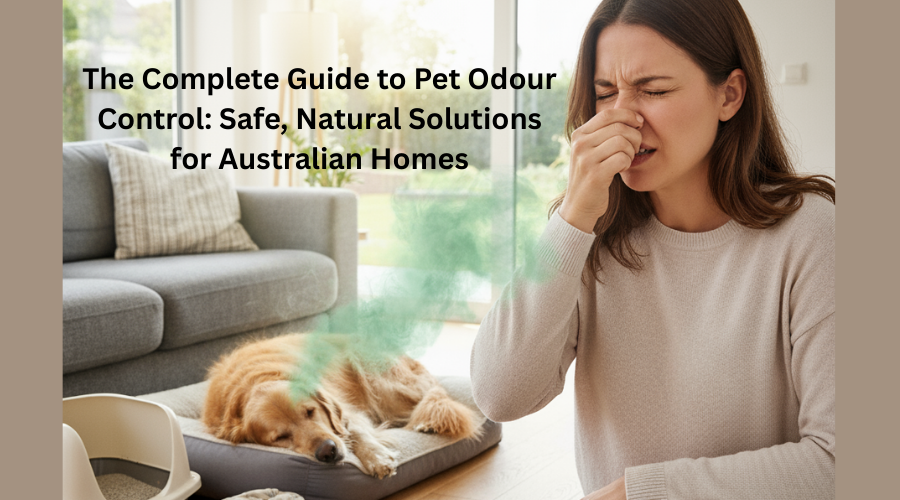
Love your furry friends but not the lingering smells they leave behind? You’re definitely not alone. Pet odours are one of the biggest challenges for animal lovers, but the good news is you don’t need to choose between a fresh-smelling home and your beloved pets.
Pet Odour Control: Natural Solutions That Are Safe for Your Pets
The key is understanding where pet odours come from and tackling them with safe, natural solutions that won’t harm your four-legged family members.
Understanding Pet Odours: Why They Stick Around
Pet odours aren’t just unpleasant – they’re persistent. Here’s why:
- Uric acid crystals in urine keep producing smell even after cleaning.
- Organic compounds in pet waste decompose slowly, releasing gases.
- Oils and dander from skin and fur accumulate over time.
- Moisture from saliva, accidents, and dampness feeds odour-causing bacteria.
Understanding this helps explain why a quick spray of air freshener never really solves the problem.
Cat Odour Solutions That Actually Work
Litter Box Management
The litter box is ground zero for cat odours. Here’s how to keep it under control naturally:
Daily maintenance
- Scoop waste immediately.
- Add a thin layer of baking soda to the bottom before adding litter.
- Use clumping, natural litters that trap odours.
- Keep boxes in well-ventilated areas.
Weekly deep clean
- Empty completely and wash with a white vinegar solution.
- Dry thoroughly before refilling.
- Replace old boxes every 6–12 months (plastic absorbs odours).
Natural Litter Additives
- Baking soda: Sprinkle lightly over litter (not under cats’ paws).
- Activated charcoal: Place near the litter box, not in it.
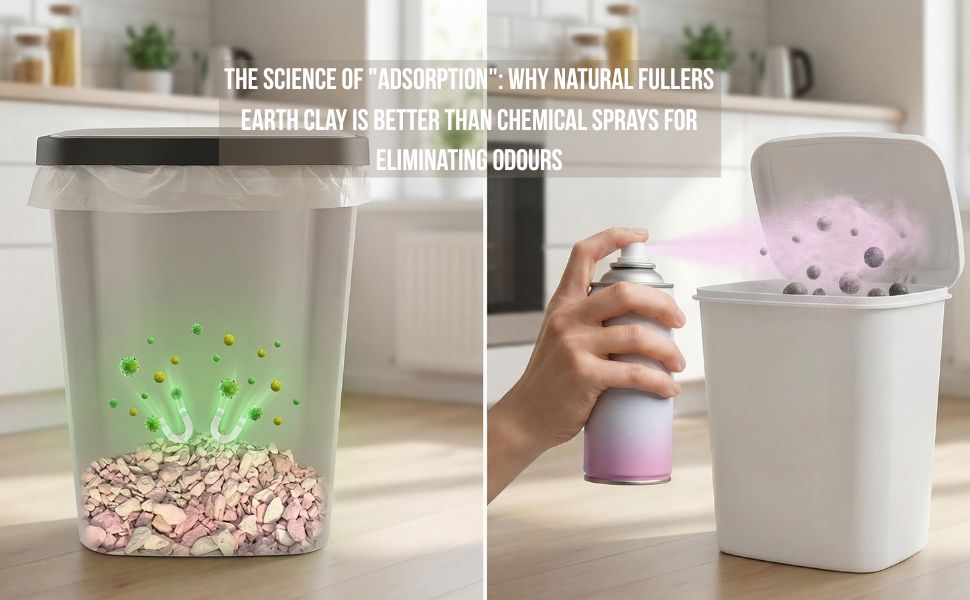
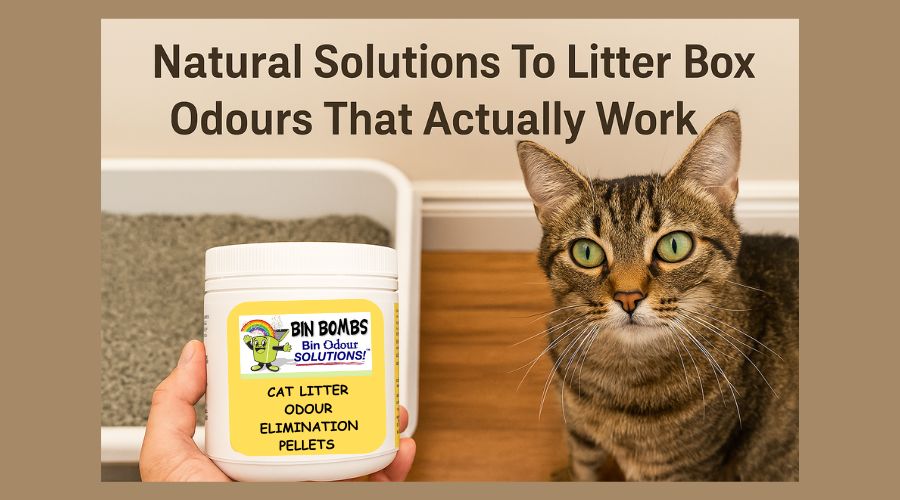
- Natural clay granules: Professional-grade options like Bin Bombs can be mixed into litter for superior odour control.
Dealing with Accidents
When accidents happen outside the litter box:
- Blot immediately – don’t rub or scrub.
- Apply white vinegar to neutralise uric acid.
- Sprinkle baking soda and let sit for 15 minutes.
- Vacuum thoroughly once dry.
- Use enzyme cleaners for persistent odours.
Dog Odour Control Strategies
Outdoor Waste Management
Dog poop in the yard creates ongoing odour issues, especially in warm weather.
Immediate solutions
- Pick up waste daily (minimum).
- Rinse the area with water after pickup.
- Sprinkle natural deodorising granules over the spot.
- Ensure good drainage to prevent moisture buildup.
Long-term yard care
- Create designated toilet areas with good drainage.
- Use lime or natural clay products to neutralise soil pH.
- Plant odour-absorbing plants like lavender around the perimeter.
Indoor Accident Cleanup
The same principles apply as with cats, but dog accidents are often larger:
- Act fast – the longer urine sits, the worse it gets.
- Use cold water first, then a vinegar solution.
- Apply a baking soda paste for stubborn odours.
- Consider professional-grade natural products for carpet deep cleaning.
Pet Bedding and Living Areas
Washing and Maintenance
- Wash pet bedding weekly in hot water with white vinegar.
- Vacuum pet areas regularly to remove hair and dander.
- Use washable covers on furniture where pets sleep.
- Rotate bedding so you always have clean options.
Natural Deodorising Methods
- Baking soda sprinkle: Let sit for 30 minutes before vacuuming.
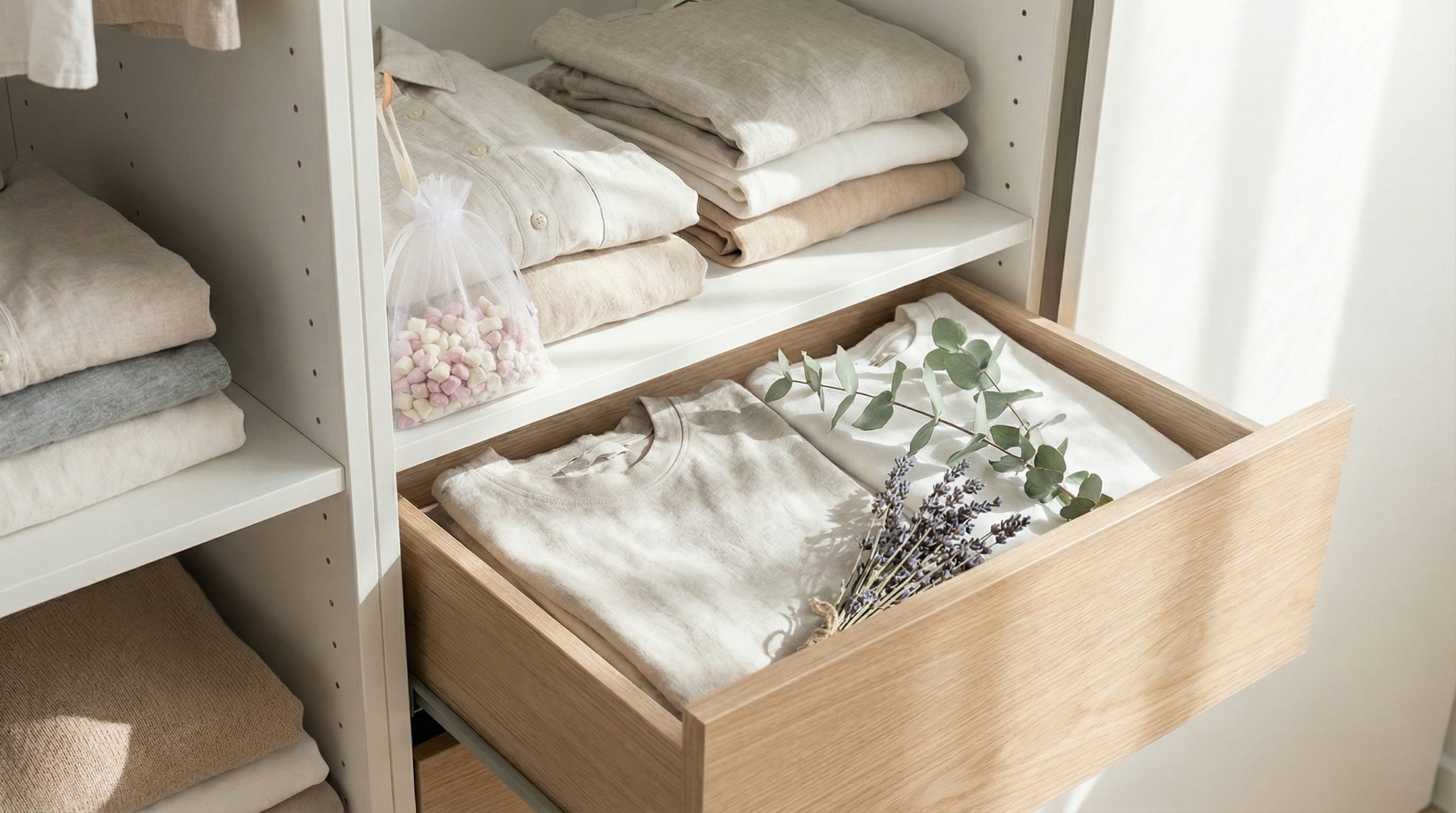
- Activated charcoal bags: Place near pet sleeping areas.
- Natural granule sachets: Discreet odour control that’s safe if pets investigate.
Whole-House Pet Odour Prevention
Air Circulation Is Key
- Open windows regularly for fresh air exchange.
- Use ceiling fans to keep air moving.
- Install exhaust fans in areas where pets spend time.
- Avoid closing off rooms where odours can concentrate.
Natural Air-Purifying Plants
These plants help filter air naturally (ensure they’re pet-safe):
- Spider plants (safe for cats and dogs).
- Boston ferns (non-toxic to pets).
- Bamboo palms (pet-friendly air purifiers).
Humidity Control
Australian humidity can make pet odours worse:
- Use dehumidifiers in damp areas.
- Ensure good ventilation in bathrooms and laundries.
- Address any water leaks immediately.
- Use moisture-absorbing products in enclosed spaces.
Professional-Grade Natural Solutions
Sometimes home remedies aren’t enough, especially in multi-pet households or with older pets who have more accidents.
Professional natural products work by:
- Absorbing moisture that feeds bacteria.
- Neutralising odours at the molecular level.
- Providing long-lasting freshness without harsh chemicals.
- Being safe for pets to be around.
Veterinary clinics actually use natural clay-based products like Bin Bombs because they’re effective and safe around animals.
Pet-Safe Cleaning Recipe
Here’s a simple, effective, and pet-safe cleaning solution you can make at home:
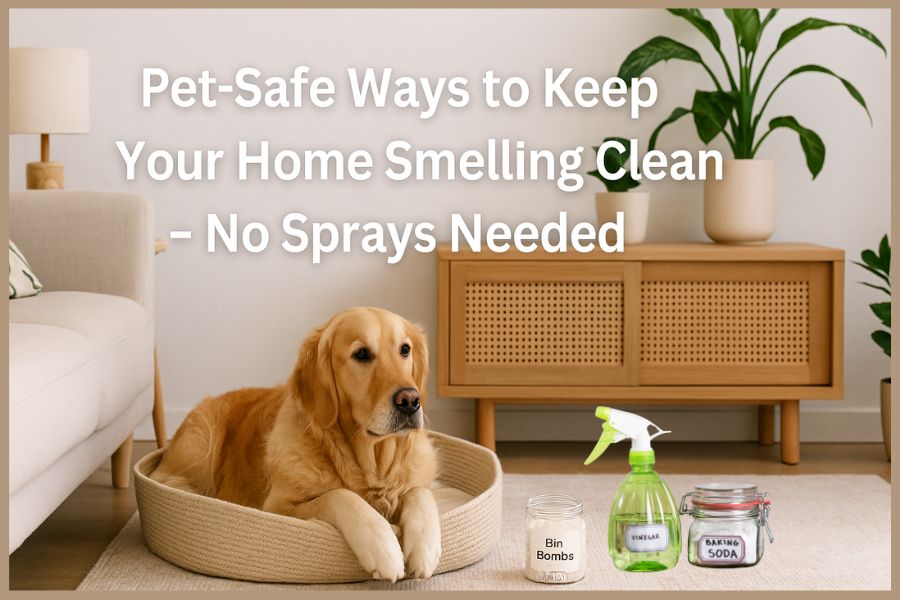
- Ingredients: 2 cups white vinegar; 2 cups warm water; 4 tablespoons baking soda; 1 tablespoon pet-safe dish soap.
- Instructions: Mix vinegar and water; add baking soda slowly (it will fizz); add dish soap last; store in a spray bottle.
What NOT to Use Around Pets
Avoid these common household cleaners that can harm pets:
- Ammonia-based products (smell like urine to pets).
- Bleach (toxic if ingested).
- Phenol-based cleaners (poisonous to cats).
- Essential oils (tea tree, eucalyptus can be toxic to cats).
Creating a Pet Odour Control Routine
Daily
- Scoop litter boxes.
- Pick up yard waste.
- Spot clean any accidents immediately.
Weekly
- Deep clean litter boxes.
- Wash pet bedding.
- Vacuum all pet areas thoroughly.
Monthly
- Refresh natural deodorising products.
- Deep clean carpets and upholstery.
- Check and replace odour-absorbing materials.
Conclusion
Living with pets doesn’t mean living with pet odours. Use natural, pet-safe methods consistently and address odours at their source rather than masking them.
Start with good hygiene practices, use natural cleaning solutions, and invest in professional-grade natural products when needed. Your pets will be happy, your home will smell fresh, and you won’t be exposing your family to harsh chemicals.
Remember: prevention plus quick action is the best strategy.